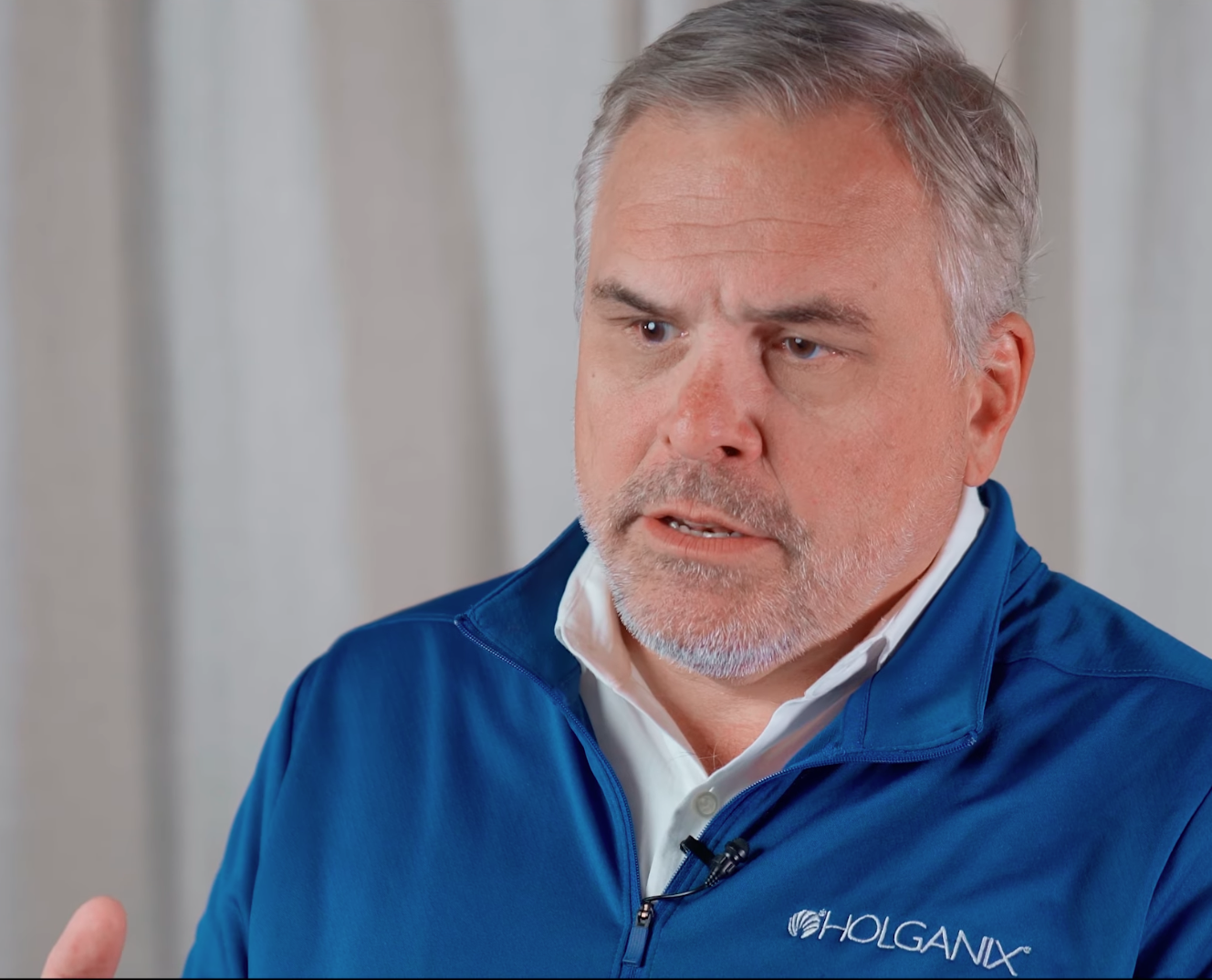
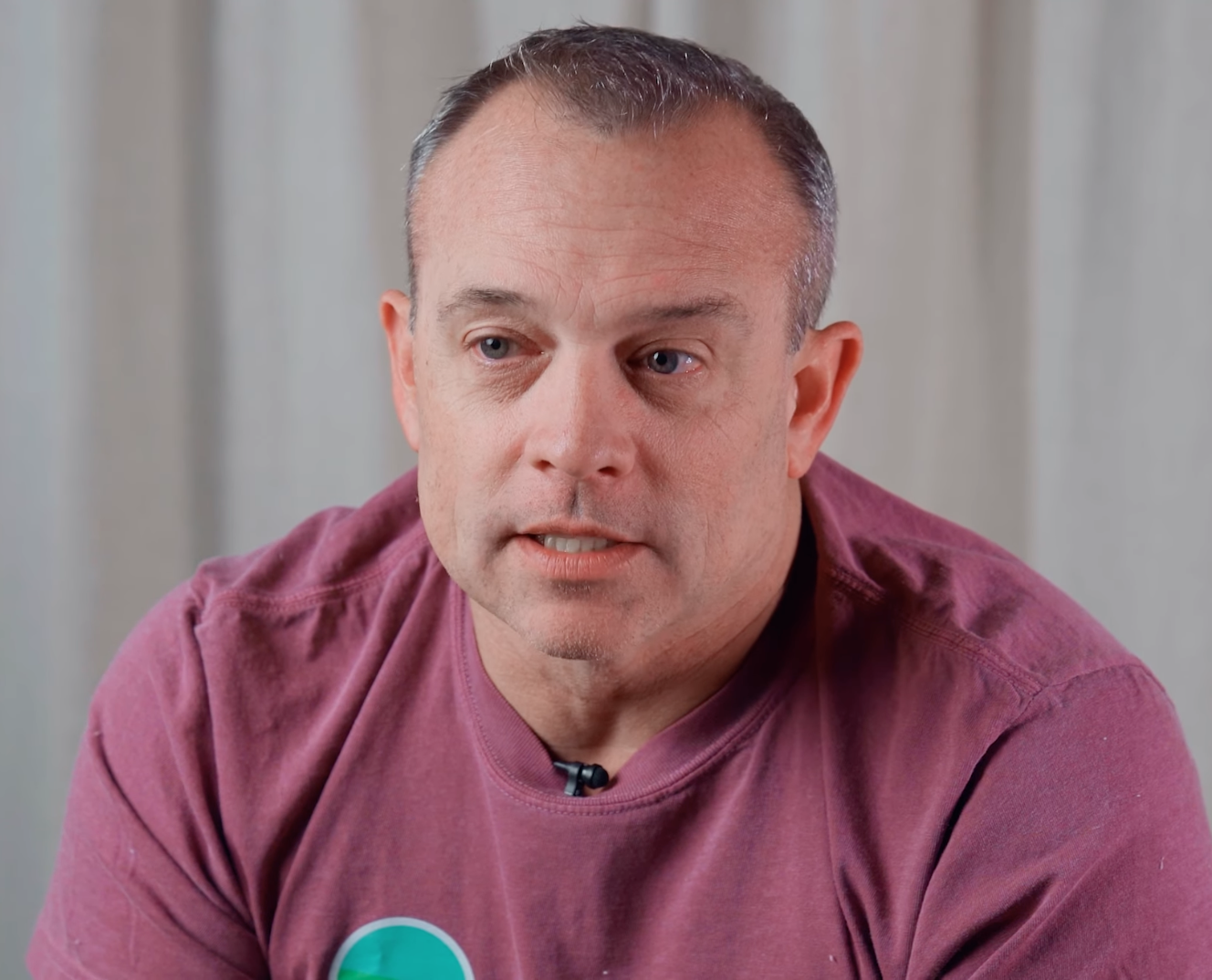
The Impact of Elevaters
When people build the skills and the habits to show up with more awareness, ownership, and care, work feels different.
Conversations get clearer. Tension gets handled instead of avoided. Decisions get made with more intention. Teams spend less time stuck in patterns that drain energy and more time moving things forward.
This is what we see, again and again, when individuals and teams go through the Elevate Program. The change shows up at three levels: in the individual, in the team, and in the business.
The Impact on the Individual
On a human level, the shift is often subtle at first and then unmistakable.
People become more aware of their patterns and more intentional about how they show up. They learn to pause instead of react. They build confidence in hard conversations. They take more ownership for their impact. They feel more capable navigating the parts of leadership that used to feel uncomfortable or overwhelming.
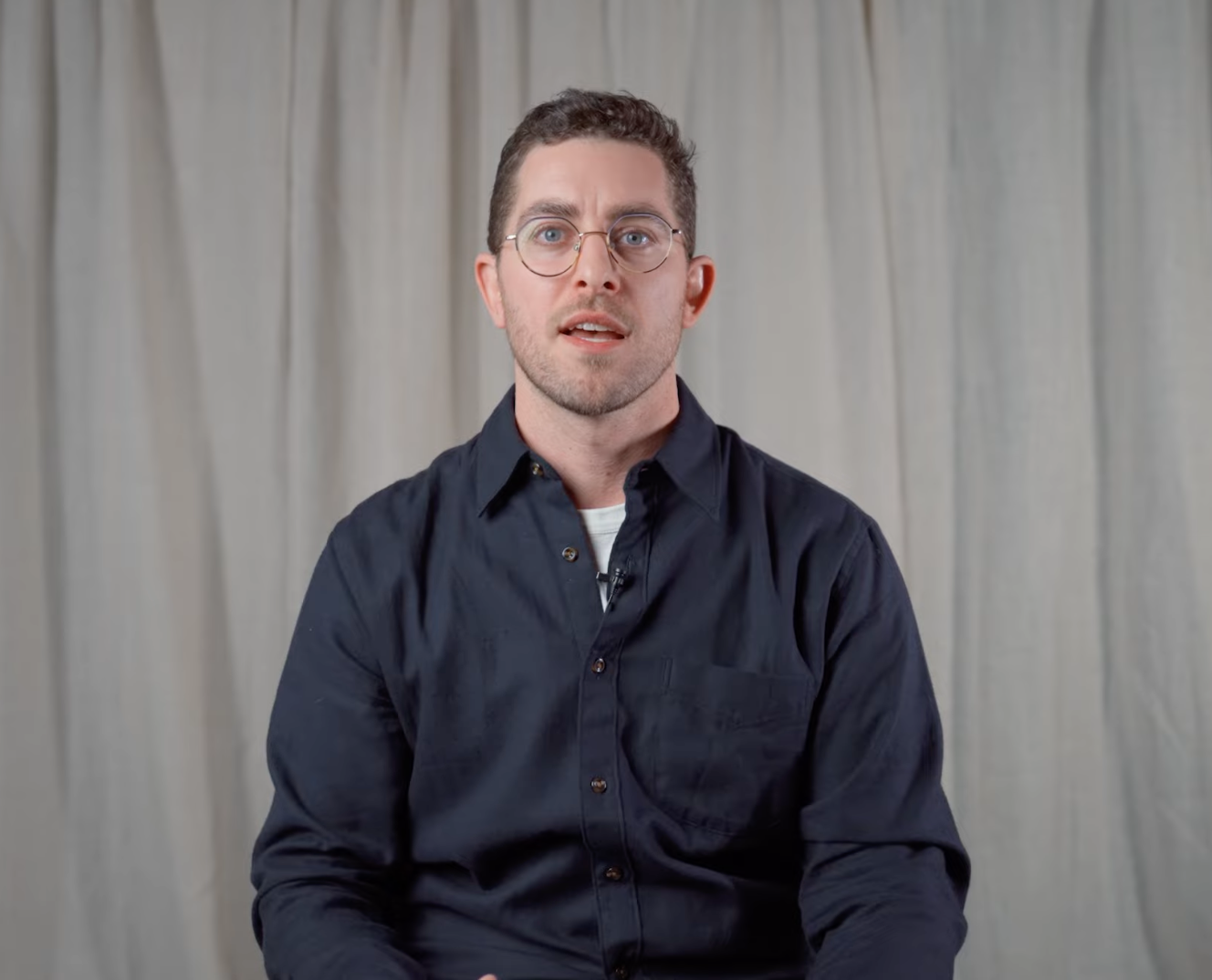
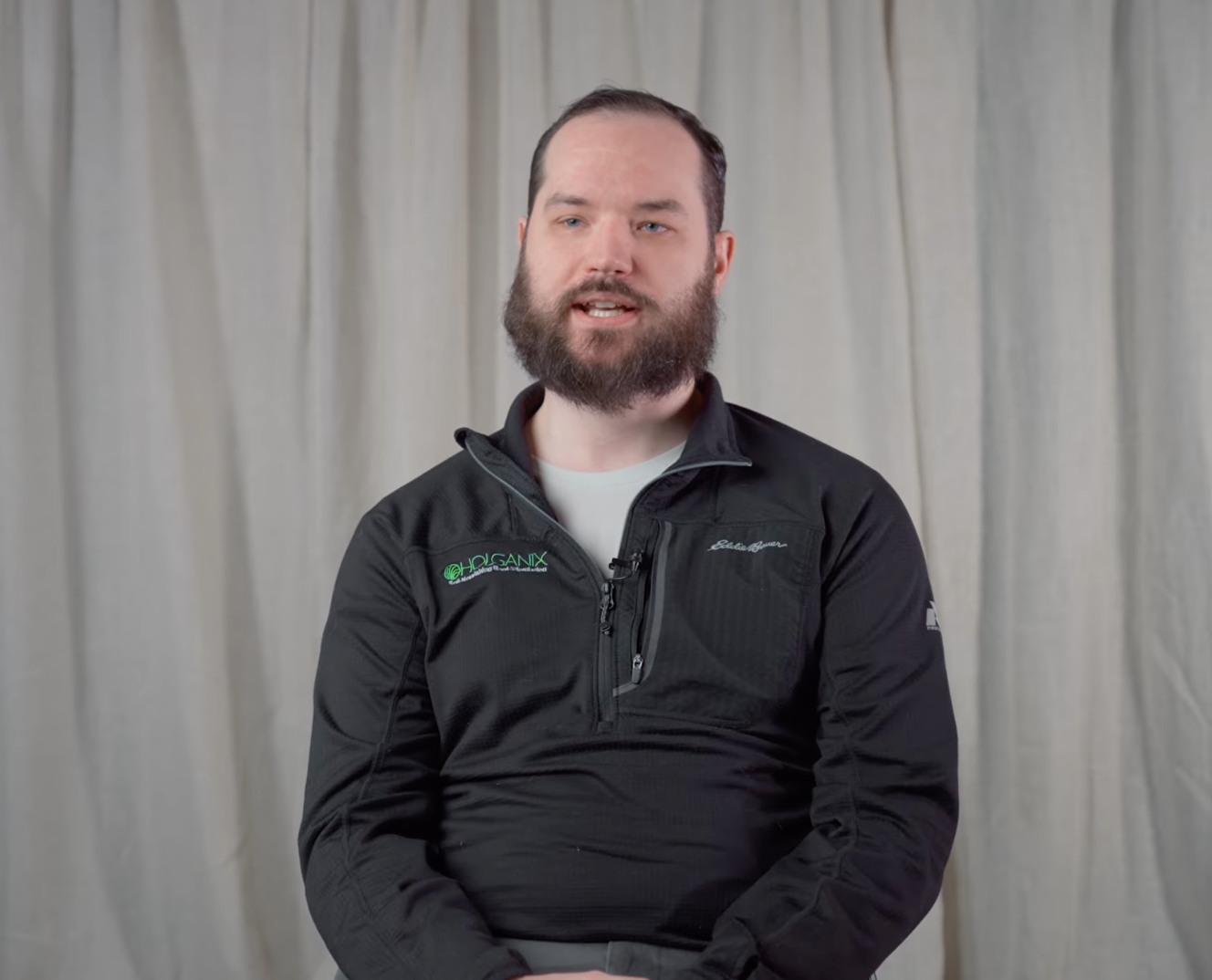
Over 97% of Elevate Program graduates agree or strongly agree they feel
more capable and empowered as a leader after completing the program.
The Impact on the Team
When more individuals start showing up differently, teams start working differently.
Meetings become more productive and less performative. Feedback becomes more direct and more useful. Tension gets addressed earlier instead of turning into side conversations or quiet resentment. There is more trust, more shared language, and more accountability for how people work together.
Teams begin to:
— Have more honest, productive conversations
— Spend less time in politics and more time solving real problems
— Share responsibility instead of avoiding it
— Use a common language to name what’s happening and move forward
— Recover faster when things get hard or messy
The work gets easier not because it’s simpler, but because people are more practiced at working through it together.
The Impact on the Business
When individuals and teams grow, the business gains leverage.
Organizations operate more efficiently. Leaders spend less time managing around the same issues and more time moving the business forward. Energy goes into decisions, priorities, and execution instead of getting lost in friction or confusion.
Over time, this changes what the business is capable of. Teams move faster. Leaders make clearer decisions. The organization becomes better at turning strategy into action because the people inside it are better equipped to handle complexity, pressure, and change.
It also changes the kind of company you are building.
When you invest in how people grow, you build a culture that people want to be part of. That shows up in engagement, retention, and in the ability to attract and develop strong leaders. Not as a slogan, but as a real, felt experience of working in the business.
This is not about polishing culture for its own sake. It is about building an organization that can operate at a higher level, reach its potential faster, and keep getting better as it grows.